
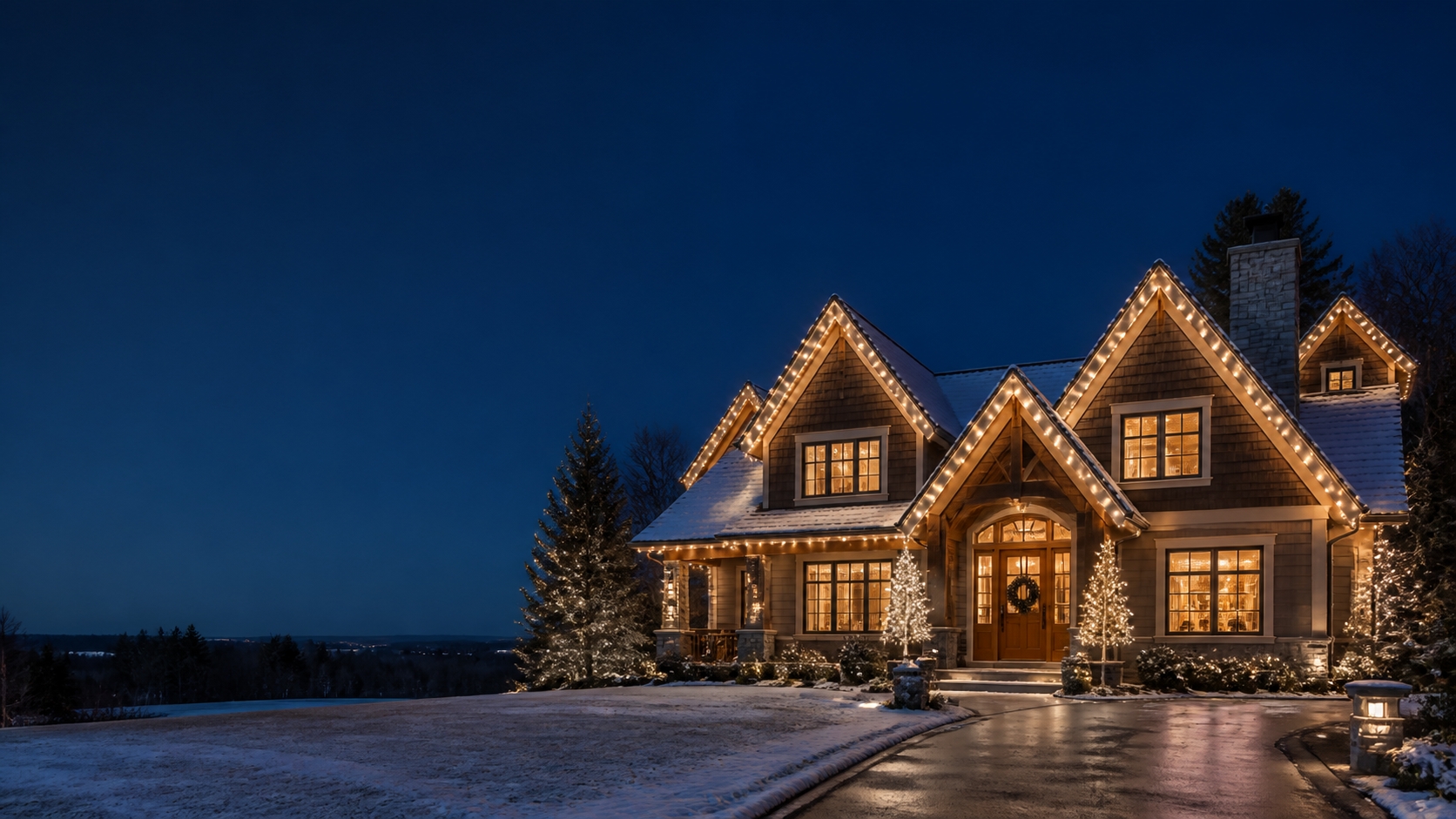



Holiday & Architectural Lighting in Norton
Design, installation, mid-season service, January takedown and off-season storage for homes and businesses. One crew, one invoice, no ladders.

What we install
Four ways to light a property, one crew
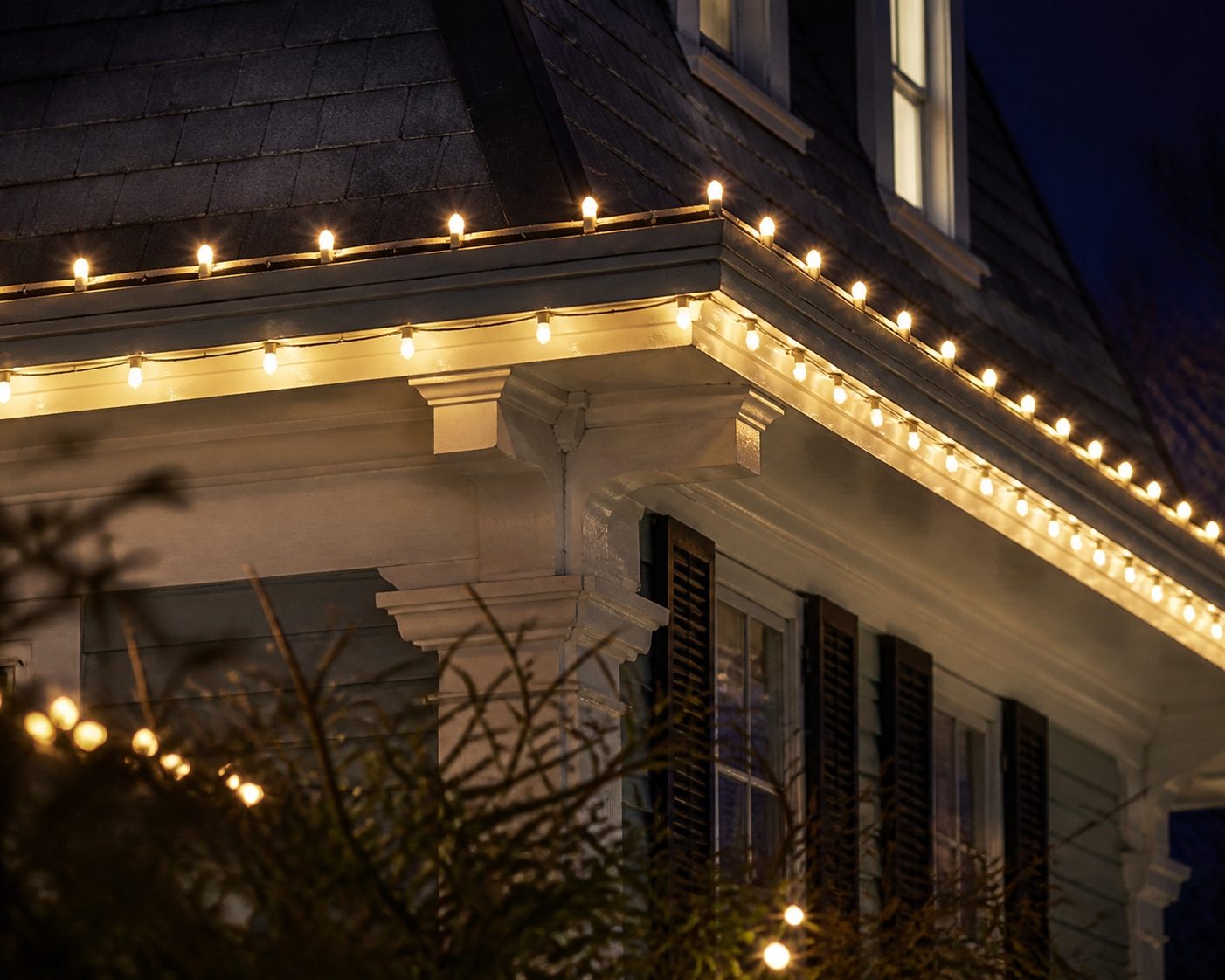
Christmas Light Installation
Outdoor Christmas lights for houses and condos — rooflines, windows, wreaths, garland, tree wraps and pathways.
Explore →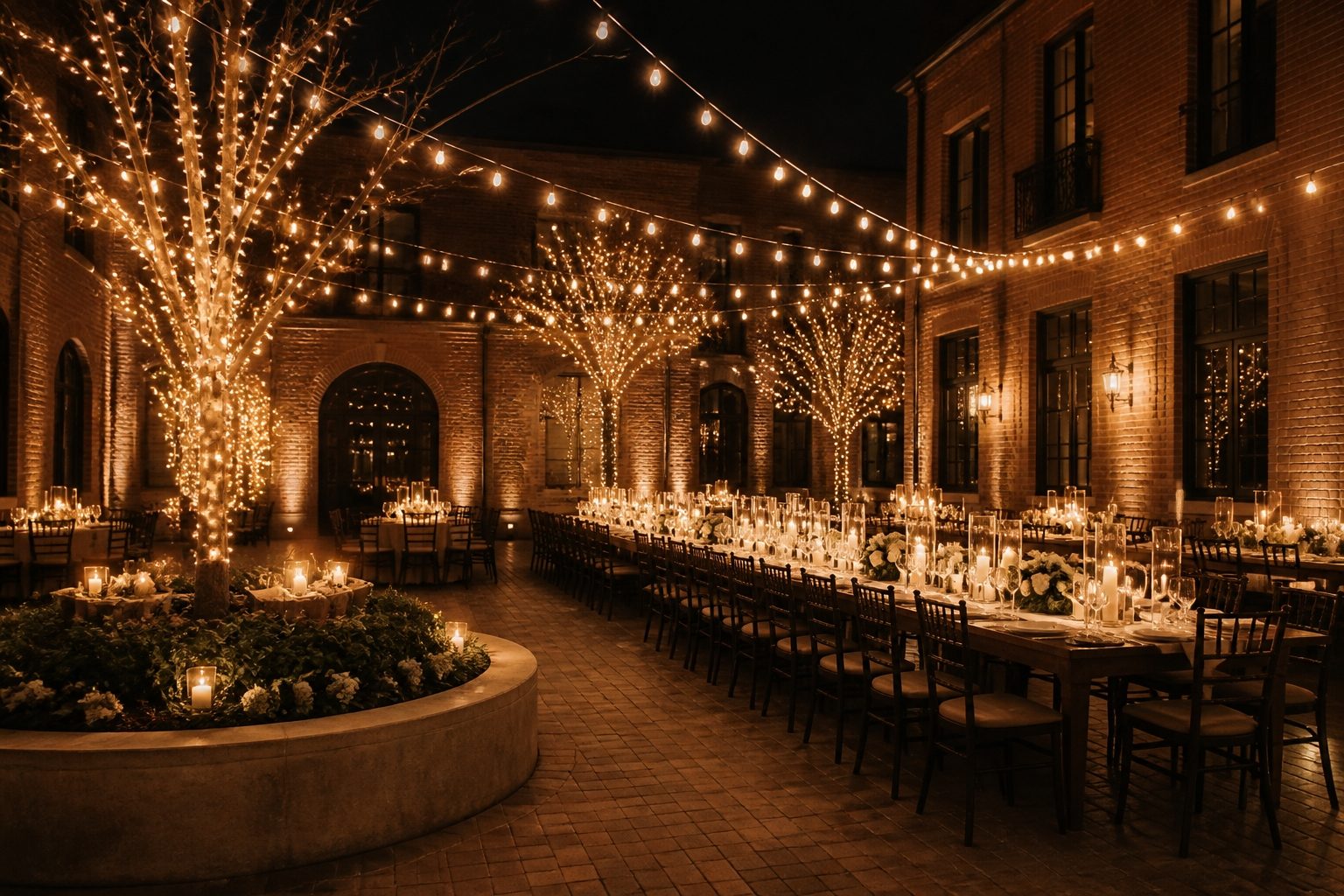
Holiday & Event Lighting
Weddings, corporate parties, Halloween, July 4th, store openings and photo shoots.
Explore →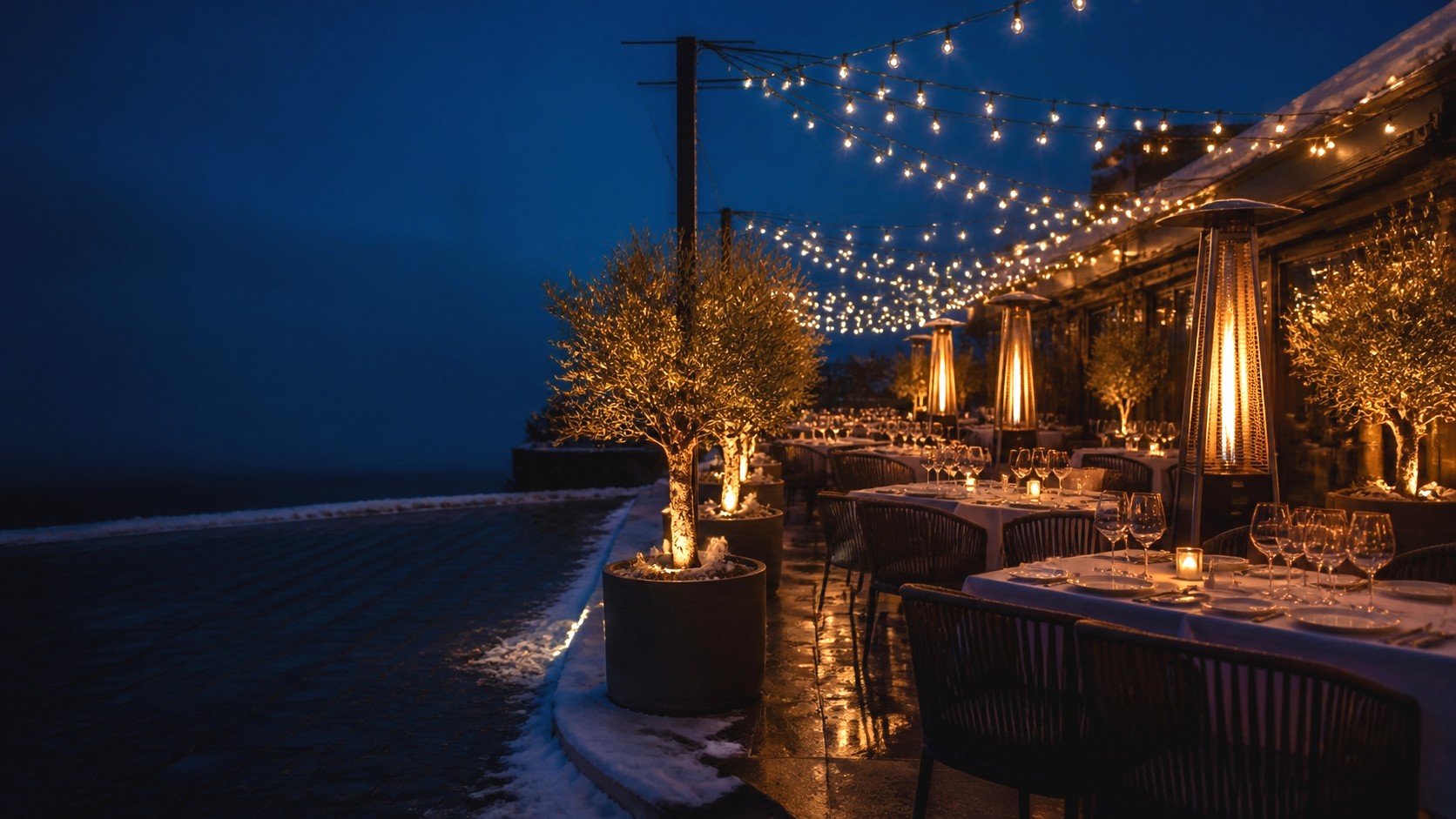
Commercial Outdoor Lighting
Storefronts, restaurants, offices, hotels, condo buildings and multi-site portfolios.
Explore →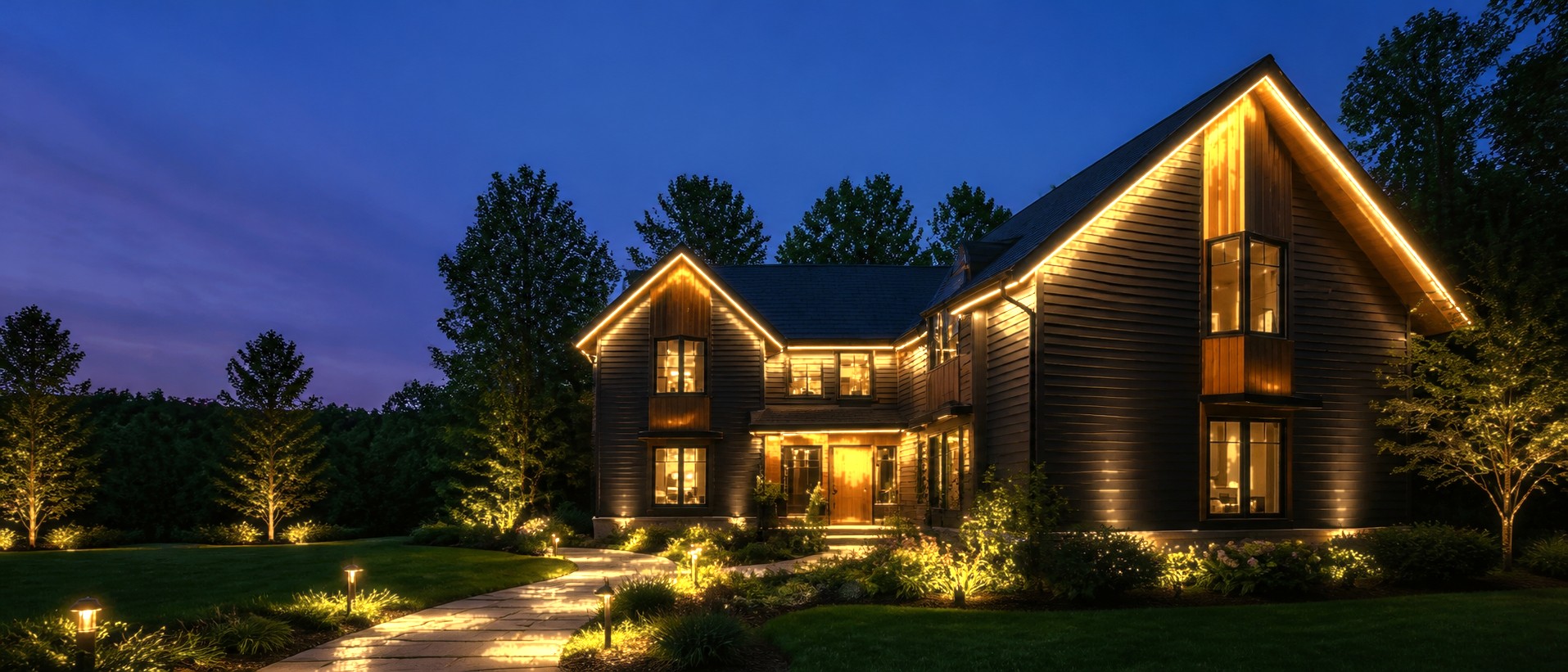
Permanent Lights
App-controlled LEDs tucked under the eave. Any color, any holiday, no annual visit.
Explore →
Local guide · Norton
Lighting Permits in Norton: When You Need One and Who Issues It
A temporary, plug-in roofline display on private property is a different project from new hardwired lighting, an added exterior receptacle, or an event setup that reaches beyond the lot. Review the Town of Norton zoning bylaw and district information before planning commercial displays, generators, tents, signage, or equipment near public areas.
| PROJECT TYPE | PLANNING NEED | WHO SHOULD HANDLE IT |
|---|---|---|
| Plug-in façade lights | Private-property layout and weather-safe connections | Property owner or installer |
| New outdoor receptacle | Electrical scope review before work begins | Licensed electrician |
| Hardwired permanent lighting | Electrical review and installation planning | Licensed electrician |
| Tent, generator, street-side event display | Coordinate the event and public-space scope | Property owner and event organizer |
- Keep displays on the parcel: Cords, stakes, inflatables, and ladders should not extend into a sidewalk, curb cut, or roadway.
- Separate electrical work from decorating: A light-hanging crew can install temporary décor, while circuit additions and receptacle work belong with an electrician.
- Plan commercial work early: Village Center Core, Village Commercial, Commercial, and Industrial settings can involve site conditions beyond a residential roofline.
Power in Norton: Utility, Rates and Efficiency Programs
Seasonal lighting costs depend on the equipment load, operating hours, and the supply and delivery charges shown on the property’s electric bill. Use efficient LED strings, photocells, timers, and zone controls; the practical savings usually come from reducing run time and connected load rather than from the decorative lamps themselves.
- Start with the existing circuit: A long roofline, trees, wreaths, and yard features can add up faster than expected when all equipment is connected to one exterior outlet.
- Price the outlet honestly: Adding a weather-suitable exterior receptacle can be the surprise cost because it requires electrical work rather than decorative installation alone.
- Use controls deliberately: Timers and photocells limit daytime operation and prevent a display from running after the intended evening hours.
- Size commercial displays separately: Businesses in the corridors and employment areas identified in the Norton Master Plan planning context should review load, access, and control zones before selecting a larger display.
The Lighting Year in Norton: Seasons, Holidays and Deadlines
The strongest installation window is early fall, before wet leaves, freezing conditions, and the late-autumn rush make roof access slower. The same roofline takes comparable labor in September and November, but November scheduling is shaped by remaining crew capacity, product availability, and safe weather days.
| SEASON | WHAT TO PLAN | WHY IT MATTERS |
|---|---|---|
| Late summer | Design and site walk | Time to resolve power, roof, and access questions |
| Early fall | Install permanent or holiday systems | More workable daylight and scheduling flexibility |
| Late fall | Holiday activation | Thanksgiving and December demand concentrates work |
| Winter | Service and weather checks | Rain, wind, and freezing conditions affect connections and access |
| Early year | Removal and storage | Clear displays before spring maintenance begins |
- Book before peak demand: Early planning leaves room for custom roofline measurements, tree wrapping, and commercial timer programming.
- Design for wet ground: The Norton municipal vulnerability preparedness report identifies precipitation-related flooding as a local concern, so low connections and landscape equipment need careful placement.
- Use removable attachment methods: Seasonal installations should protect gutters, trim, shingles, and siding while allowing orderly post-season removal.
Liability for Exterior Lighting and Display Injuries in Massachusetts
Property owners remain responsible for conditions on their property, while an installer is responsible for performing its work safely and within the agreed scope. For homes, storefronts, and managed sites, confirm insurance, keep the work order clear, and retain records for any hardwired electrical work.
- Document the scope: Identify which party supplies lights, controls, mounting hardware, removal, and storage.
- Inspect after storms: Loose clips, fallen branches, standing water, and displaced cords can create risks after installation.
- Protect claim records: Photos of the finished layout and service visits help establish what was installed and when changes were made.
- Address permanent work correctly: An undocumented hardwired addition can become a property-owner issue during an insurance claim, repair, or sale.
- Account for local conditions: Norton's extensive wetlands, streams, and low-lying areas described in the state community report for Norton make elevated connections and routine checks especially sensible.
Pedestrian Access and Accessibility Rules Around Displays
Decorations should enhance a frontage without turning a route into an obstacle. This matters along West Main Street, where the West Main Street Rapid Recovery Plan identifies interrupted sidewalks, wide curb cuts, and missing sidewalk segments in portions of the corridor.
- Keep the walking path open: Do not place planters, props, extension cords, or queue barriers where people need to walk.
- Protect curb cuts and entrances: A decoration near an accessible route can become a barrier if it narrows movement or forces a detour.
- Route cords away from foot traffic: A cable ramp that obstructs a path is not a substitute for a clear route.
- Look up as well as down: Hanging elements must not create a low overhead hazard at doors, sidewalks, or customer approaches.
Neighborhoods we serve in Norton
Installations are planned around the property’s roofline, tree cover, setbacks, access routes, and the practical difference between residential streets and active commercial frontage.
- Norton Center: Residential properties near the town center benefit from tidy roofline work and clear entrance paths during seasonal gatherings.
- Village Center: Smaller commercial and mixed-use settings call for compact displays that preserve storefront access and pedestrian movement.
- Chartley's Corner: Visibility from roadway approaches can make controlled façade lighting and professionally secured signage accents more useful than oversized yard equipment.
- West Main Street corridor: Mixed residential and commercial frontage requires particular care around driveways, curb cuts, sidewalks, and customer entrances.
- Norton Commerce Center: Business properties can use timer-based building outlines, entry lighting, and seasonal features designed around employee and delivery access.
- Blue Star Business Park: Larger sites benefit from coordinated zones that keep loading, parking, and building entrances functional after dark.
2026 season
Install dates are going first. They always do.
Send us your address and a photo of the front of the house. You will get a fixed price and two or three available install windows, usually within one business day.